
Topics in HEALTH
Winter storms & Extreme Cold
Use this website for the most updated warnings, watches, and advisories:
Winter Weather Warnings, Watches and Advisories
(if the link above does not open, copy and paste this link in your web browser https://www.weather.gov/safety/winter-ww
This page explains what actions to take when you receive a winter weather storm alert from the National Weather Service for your local area and what to do before, during, and after a snowstorm or extreme cold.
Know Your Risk
What: A winter storm may contain the following:
- Significant precipitation in the form of sleet, snow, and ice.
- Snowfall that is moderate and lasting a few hours to a blizzard lasting several days.
- Dangerous low temperatures.
- Power outages.
- Closure or limited critical community services, such as public transportation, child care, health programs and schools.
- Injuries and deaths may occur from exposure, dangerous road conditions, carbon monoxide poisoning and other conditions.
Where: Winter storms and colder than normal temperatures can happen in every region of the country.
When: Winter storms can occur from early autumn to late spring depending on the region.
Before Snowstorms and Extreme Cold
- Make a Family Communications Plan to include:
- How you will contact one another.
- How you will get back together.
- What you will do in case of an emergency.
- Make an emergency kit for at least three days of self-sufficiency.
- Keep space heater safety in mind:
- Use electric space heaters with automatic shut-off switches and non-glowing elements.
- Remember to keep all heat sources at least three feet away from furniture and drapes.
- Prepare your home:
- Make sure you have a working carbon monoxide detector.
- Keep fire extinguishers on hand, and make sure everyone in your house knows how to use them. House fires pose an additional risk, as more people turn to alternate heating sources without taking the necessary safety precautions.
- Learn how to shut off water valves (in case a pipe bursts).
- Insulate your home by installing storm windows or covering windows with plastic from the inside to keep cold air out.
- If you have a wood burning fireplace, consider storing wood to keep you warm if winter weather knocks out your heat. Also, make sure you have your chimney cleaned and inspected every year
- Have at least one of the following heat sources in case the power goes out:
- Extra blankets, sleeping bags and warm winter coats.
- Fireplace or wood burning stove with plenty of dry firewood, or a gas log fireplace
- Prepare your vehicle:
- Fully winterize your vehicle – Check antifreeze, brakes, heater and defroster, tires and windshield wipers to ensure they are in good shape.
- Keep your gas tank at least half full.
- Keep an extra emergency kit specifically created for your car.
- In addition to the basic essentials, consider adding a portable cell phone charger, ice scraper, extra blanket, sand for traction and jumper cables. Make sure that you have rock salt or sand to improve traction.
- Other Ideas:
- Make sure you have a cell phone with an emergency charging option (car, solar, hand crank, etc.) in case of a power failure.
- People who depend on electricity to operate medical equipment should have alternate arrangements in place in case power is out for an extended period of time.
- Plan to check on elderly/disabled relatives and neighbors.
- Plan to bring pets inside.
- Know where the manual release lever of your electric garage door opener is located and how to operate it in case you lose power.
- Fill a gallon container with water and place them in the freezer to help keep food cold.
During Snow Storms and Extreme Cold
- Stay indoors during the storm:
- Drive only if absolutely necessary.
- If you must drive, travel in the day, don’t travel alone.
- Keep others informed of your schedule and your route; stay on main roads and avoid back road shortcuts.
- Walk carefully on snowy, icy walkways.
- Avoid overexertion when shoveling snow. Overexertion can bring on a heart attack – a major cause of death in the winter. Use caution, take breaks, put the snow instead of lifting it when possible, and lift lighter loads.
- Keep dry. Change wet clothing frequently to prevent a loss of body heat. Wet clothing loses all of its insulating value and transmits heat rapidly.
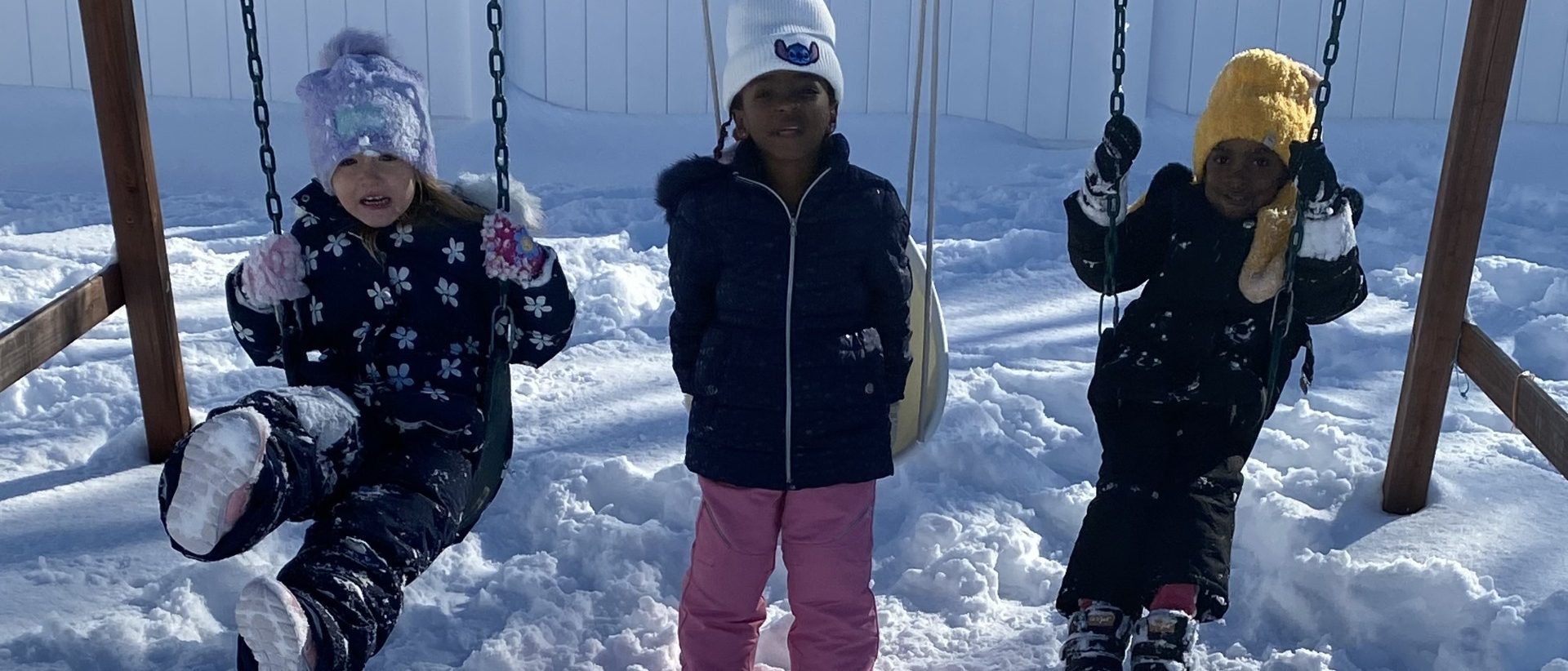
- If you must go outside, wear several layers of loose-fitting, lightweight, warm clothing rather than one layer of heavy clothing. The outer garments should be tightly woven and water repellent.
- Wear mittens, which are warmer than gloves.
- Wear a hat and cover your mouth with a scarf to reduce heat loss.
Cold Related Illnesses
- Frostbite:
- A serious condition that’s caused by exposure to extremely cold temperatures.
- A white or grayish-yellow skin area that feels unusually firm or waxy numbness.
- If you detect symptoms of frostbite, seek medical care.
- Hypothermia:
- Abnormally low body temperature, is a dangerous condition that can occur when a person is exposed to extremely cold temperatures.
- When exposed to cold temperatures, your body begins to
- Lengthy exposures will eventually use up your body’s stored energy, which leads to lower body temperature.
- Warning signs of hypothermia:
- Adults: shivering, exhaustion, confusion, fumbling hands, memory loss, slurred speech, drowsiness
- Infants: bright red, cold skin; very low energy
Carbon Monoxide
- Each year, an average of 430 Americans die from unintentional carbon monoxide poisoning.
- There are more than 20,000 visits to the emergency room with more than 4,000 hospitalizations.
- Carbon monoxide-related deaths are highest during colder months. These deaths are likely due to increased use of gas-powered furnaces and alternative heating, cooking and power sources used inappropriately indoors during power outages.
- Never use a generator, grill, camp stove or other gasoline, propane, natural gas or charcoal-burning devices inside a home, garage, basement, crawlspace or any partially enclosed area. Locate unit away from doors, windows and vents that could allow carbon monoxide indoors. Keep these devices at least 20 feet from doors, windows and vents.
- The primary hazards to avoid when using alternate sources for electricity, heating or cooking are carbon monoxide poisoning, electric shock and fire.
- Install carbon monoxide alarms in central locations on every level of your home and outside sleeping areas to provide early warning of accumulating carbon monoxide.
- If the carbon monoxide alarm sounds, move quickly to a fresh air location outdoors or by an open window or door.
- Call for help from the fresh air location and remain there until emergency personnel arrive to assist you.
After Snowstorms and Extreme Cold
- If your home loses power or heat for more than a few hours or if you do not have adequate supplies to stay warm in your home overnight:
- You may want to go to a designated public shelter if you can get there safely.
- Text SHELTER + your ZIP code to 43362 (4FEMA) to find the nearest shelter in your area (e.g. SHELTER04073) o Bring any personal items that you would need to spend the night (such as toiletries, medicines).
- Take precautions when traveling to the shelter. Dress warmly in layers, wear boots, mittens, and a hat. o Continue to protect yourself from frostbite and hypothermia by wearing warm, loose-fitting, lightweight clothing in several layers.
- Stay indoors, if possible.
Winter Weather Watches and Warnings
Familiarize yourself with these terms to help identify extreme winter weather alerts:
- Winter Weather Advisory: Winter weather conditions are expected to cause significant inconveniences and may be hazardous. When caution is used, these situations should not be life threatening.
- Winter Storm Watch:
- A winter storm is possible in your area.
- Tune into NOAA Weather Radio, commercial radio or television for more information.
- The NWS issues a winter storm watch when severe winter conditions, such as heavy snow and/or ice, may affect your area but the location and timing are still uncertain.
- A winter storm watch is issued 12 to 36 hours in advance of a potential severe storm.
- Tune into NOAA Weather Radio, local radio, TV or other news sources for more information.
- Monitor alerts, check your emergency supplies, and gather any items you may need if you lose power.
- Winter Storm Warning: A winter storm is occurring or will occur soon in your area.
- Blizzard Warning: Sustained winds or frequent gusts to 35 miles per hour or greater and considerable amounts of falling or blowing snow (reducing visibility to less than a quarter mile) are expected to prevail for a period of three hours or longer.